
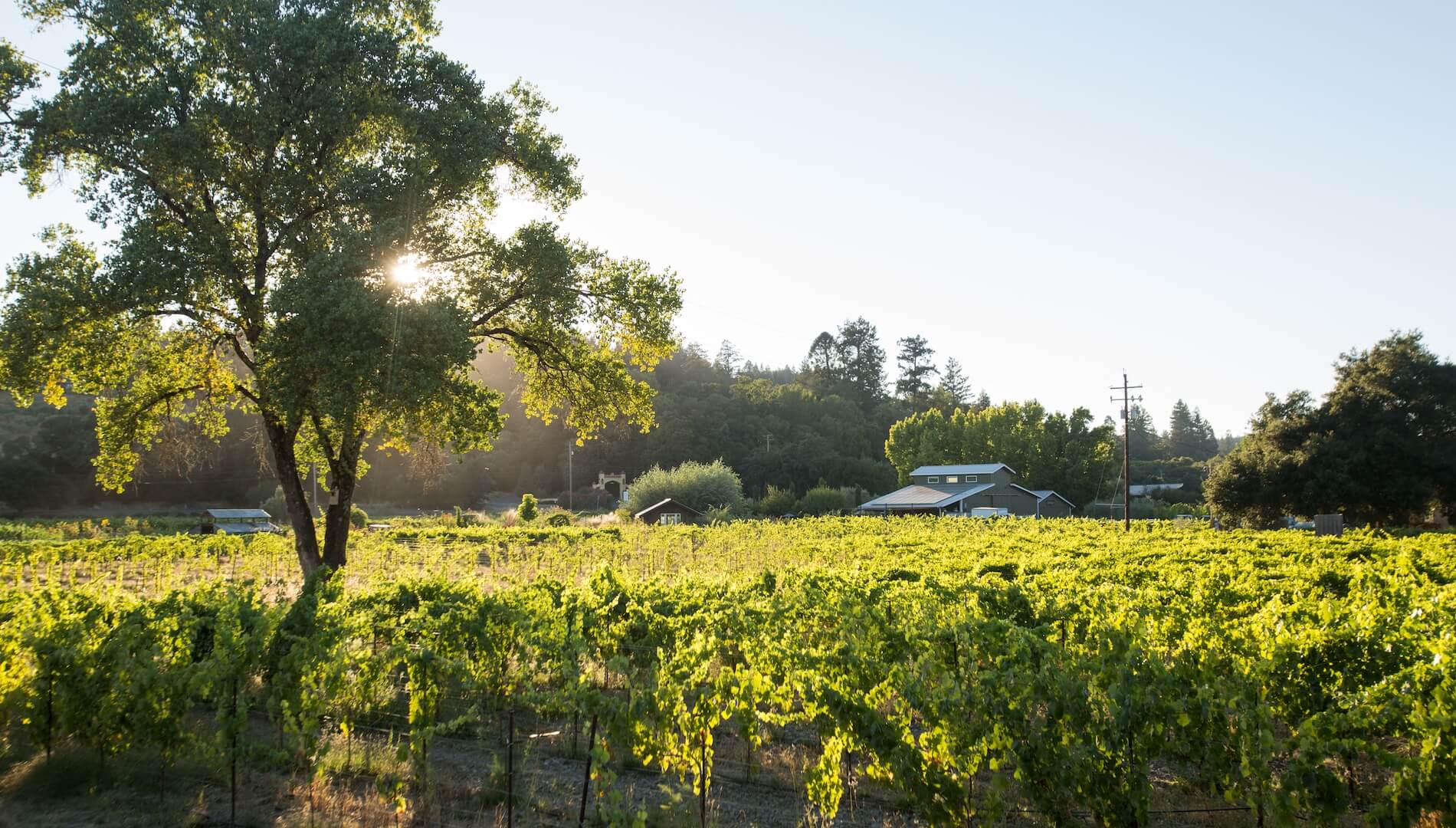
In biodynamic and regenerative vineyards across Sonoma County, animals that control pests play a crucial role in maintaining the delicate balance that produces exceptional wines. For decades, forward-thinking wineries have embraced farming practices that view vineyards as complete, living ecosystems—ones where animal integration offers benefits that extend far beyond pest management alone.
From soil health and natural fertilization to vegetation control and micro-tillage, vineyard animals contribute to farming systems in ways that synthetic inputs simply cannot replicate.
Walking through a biodynamically-managed estate in Dry Creek Valley, you’ll notice something special: sheep in vineyard rows grazing peacefully alongside vines, while chickens for pest control scratch and peck their way through the grounds. These aren’t just picturesque farm animals—they’re essential partners in a holistic farming system, each contributing balance in ways that go far beyond their photogenic appeal.
The philosophy is simple yet profound: nature knows how to take care of itself when we create the right conditions. Vineyard animals represent thousands of years of agricultural wisdom, proving that the most effective natural farming methods work with multiple systems simultaneously.
As vineyards move through harvest season and into the quieter months ahead, the impact of year-round livestock integration becomes most apparent. These woolly and feathered partners spend months creating the conditions that allow wine grapes to express their authentic character in every bottle.
Sheep in the Vineyard: Living Mowers That Support Soil and Pest Management
Grazing sheep exemplify what many regenerative farmers call “nature’s maintenance crew.” These gentle grazers provide multiple benefits to vineyard ecosystems—all while supporting the health of vines in ways that mechanical equipment simply cannot match.
During the growing season, sheep move methodically through designated vineyard rows, targeting specific weeds that compete with vines for nutrients and water. Unlike mowing, which cuts weeds at a uniform height, sheep graze selectively, often preferring invasive species like wild radish, mustard, Canada thistle, and star thistle—exactly the plants vineyard managers want to control. This selective grazing reduces the need for herbicides while maintaining beneficial ground cover plants that support soil structure.
Sheep also provide what’s known as micro-tillage through their natural movement patterns. Their hooves create gentle soil aeration around vine roots while their trampling action helps incorporate organic matter into the soil surface. This natural soil disturbance feeds the microbial communities that are essential to biodynamic farming approaches without the compaction that heavy machinery can cause.
Beyond vegetation and soil management, these grazers interrupt pest cycles by consuming larvae and pupae of various insects that overwinter in vineyard floor debris. Species like grape leafhopper nymphs, grape leaf folder larvae, western flower thrips, and various cutworm species find themselves disrupted when sheep move through areas where these pests would otherwise complete their life cycles undisturbed.
Additionally, sheep naturally fertilize as they graze. Their manure deposits nutrients directly into the soil in a slow-release form that vines can access throughout the growing season, reducing or eliminating the need for synthetic fertilizers while building long-term soil fertility.
The timing is particularly crucial during post-harvest cleanup. Sheep in vineyard systems help eliminate fallen fruit and leaf litter that harbor overwintering pests like grape berry moth larvae, reducing next season’s pest pressure naturally.
Chickens for Pest Control: Pecking Through Insects, Naturally
Chicken flocks operate as mobile pest management units, targeting insects and larvae that traditional methods often miss. These feathered allies bring multiple benefits to vineyard pest management—from insect control and weed seed reduction to natural fertilization—all while leaving beneficial insects largely undisturbed.
These natural foragers excel at controlling ground-dwelling pests that can damage vines and compete with crops. Their instinctive behavior makes them particularly effective against slugs, snails, cutworms, wireworms, earwigs, and various beetle larvae including grape root borer that hide in soil and debris. Unlike broad-spectrum insecticides, chickens hunt selectively, often ignoring beneficial predator insects while focusing on the pests that cause actual crop damage.
The mobility of chicken flocks allows vineyard managers to deploy targeted control exactly where and when it’s needed most. During spring, chickens can be moved through newly planted sections where young vine roots are vulnerable to soil-dwelling pests. In summer, they patrol areas where olive fly and scale insects attempt to establish themselves. During harvest season, they help clean up fallen fruit that attracts fruit flies and yellow jackets.
Regenerative Animal Agriculture: More Than Just Cute Farm Helpers
While many vineyard visitors are charmed by farm animals, their role in regenerative animal agriculture extends far deeper than aesthetics. These creatures represent a fundamental shift in how vineyards approach farming—moving from single-purpose interventions to integrated systems that build soil health, manage vegetation, control pests, and increase biodiversity simultaneously.
Regenerative approaches integrate livestock into broader ecosystem management strategies. When sheep and chickens work together, they create what biodynamic farming calls “the farm organism”—a self-sustaining system where each component supports the others in multiple ways.
This philosophy yields benefits that accumulate over time and span multiple farming needs. Each season, animal partners reduce pest populations naturally, build soil fertility through their manure, manage vegetation without machinery, improve soil structure through their movement, and create habitat conditions that favor beneficial insects over harmful ones. The result is an ecosystem that becomes more resilient and self-regulating with each passing year.
The benefits are particularly evident during challenging years. When drought stress or unusual weather patterns create conditions that favor certain pests, established biological control systems provide stability that chemical approaches cannot match. The natural predators supported by integrated systems help maintain balance even when conditions change.
Why Manure, Movement, and Microbes Matter in Vine Health
Regenerative animal agriculture practiced in biodynamic vineyards creates a three-part synergy that conventional approaches cannot replicate. Livestock contribute through:
Manure as living fertilizer: Unlike synthetic fertilizers, waste from grazing animals provides slow-release nutrients while introducing beneficial microorganisms to the soil. This biological activity supports vine health naturally, creating plants that are more resistant to pest pressure from aphids, mites, and scale insects.
Movement patterns that mimic nature: Grazers move through vineyards in patterns that distribute nutrients unevenly—exactly as wild herbivores would do. This creates microhabitat diversity that supports beneficial predator insects like lacewings, lady beetles, and predatory thrips while disrupting pest establishment patterns.
Microbial diversity enhancement: The gut bacteria and other microorganisms that vineyard animals introduce through their waste products feed soil communities that are essential for vine nutrition. Healthy soil microbiomes help vines develop stronger natural defenses against both pests like phylloxera and diseases like powdery mildew.
This integrated approach means vineyard valley pest control becomes stronger each year as the ecosystem matures. Pest populations remain in natural balance, beneficial insects thrive, and vine health improves—all without relying on external inputs that disrupt these natural processes.
From Dry Creek Valley to Your Glass: Sustainable Vineyard Farming in Action
The proof of integrated livestock management ultimately appears in every bottle produced by regenerative vineyards. When farming works in harmony with natural systems, the results speak for themselves: healthier vines, more expressive fruit, and wines that truly capture the essence of their terroir.
Regenerative practices create wines with vibrant aromatics and lively acidity—characteristics that emerge when vines grow in balanced ecosystems rather than sterile, chemically-managed monocultures. Grazing sheep and foraging chickens contribute to this quality by maintaining soil health and pest balance that allows grape varietals to express their authentic character.
The integration of livestock into farming systems also reduces carbon footprints compared to conventional pest management approaches. Instead of manufacturing, transporting, and applying synthetic pesticides to control spider mites, leafhopper, and other common pests, regenerative vineyards rely on the solar-powered efficiency of animal partners—sheep that convert sunlight into grazing energy, chickens that transform pest insects into high-quality eggs, and systems that build soil fertility while controlling pest populations.
Do pigs roam freely in biodynamic vineyards?
While pigs play important roles in regenerative animal agriculture systems, most biodynamic vineyards don’t allow them to roam freely through active vineyard rows—and for good reason. Unlike sheep, whose light hooves and selective grazing benefit vine health, pigs’ compact hooves create soil compaction that’s the exact opposite of regenerative agriculture goals.
In biodynamic vineyards, soil structure matters tremendously. The mycorrhizal networks, beneficial fungi, and carefully balanced microbial communities that support vine health live in the top layers of soil. Pigs moving through vineyard rows may compact soil unnecessarily, disrupting these vital networks, and potentially expose vine roots to disease and stress. Additionally, larger pigs might even reach ripening fruit clusters, creating another management challenge.
At DaVero, we use our pigs strategically in designated areas where their natural tilling behavior becomes an asset. They help prepare fallow fields, break up compacted soil in non-planted zones, and incorporate organic matter in areas being prepared for future planting and importantly, in the mix of our natural compost that is spread across the vine rows. This targeted approach gives us the benefits of pigs’ soil-working abilities without compromising the established vineyard ecosystem.
It’s a perfect example of how regenerative animal agriculture requires understanding each animal’s natural behavior and deploying them where they provide maximum benefit. The right animal, in the right place, at the right time—that’s the essence of working with nature rather than against it.
Experience Living Farm Systems in Sonoma Wine Country
The story of integrated pest management using animals that control pests can be fully appreciated through farm visits in Sonoma County. Wineries like DaVero Farms & Winery offer tours and tastings where visitors witness firsthand how regenerative practices create the foundation for exceptional winemaking.
Visitors can witness firsthand how nature leads the way, taste wines that reflect ecosystem approaches, and understand why sustainable farming must support the land rather than exploit it.
If you’re a wine enthusiast curious about sustainable agriculture. Sonoma’s regenerative vineyards offer insights into natural farming that demonstrate the future of California winegrowing.
Book your visit to DaVero today and become part of our community, choosing wines grown in harmony with nature’s wisdom.