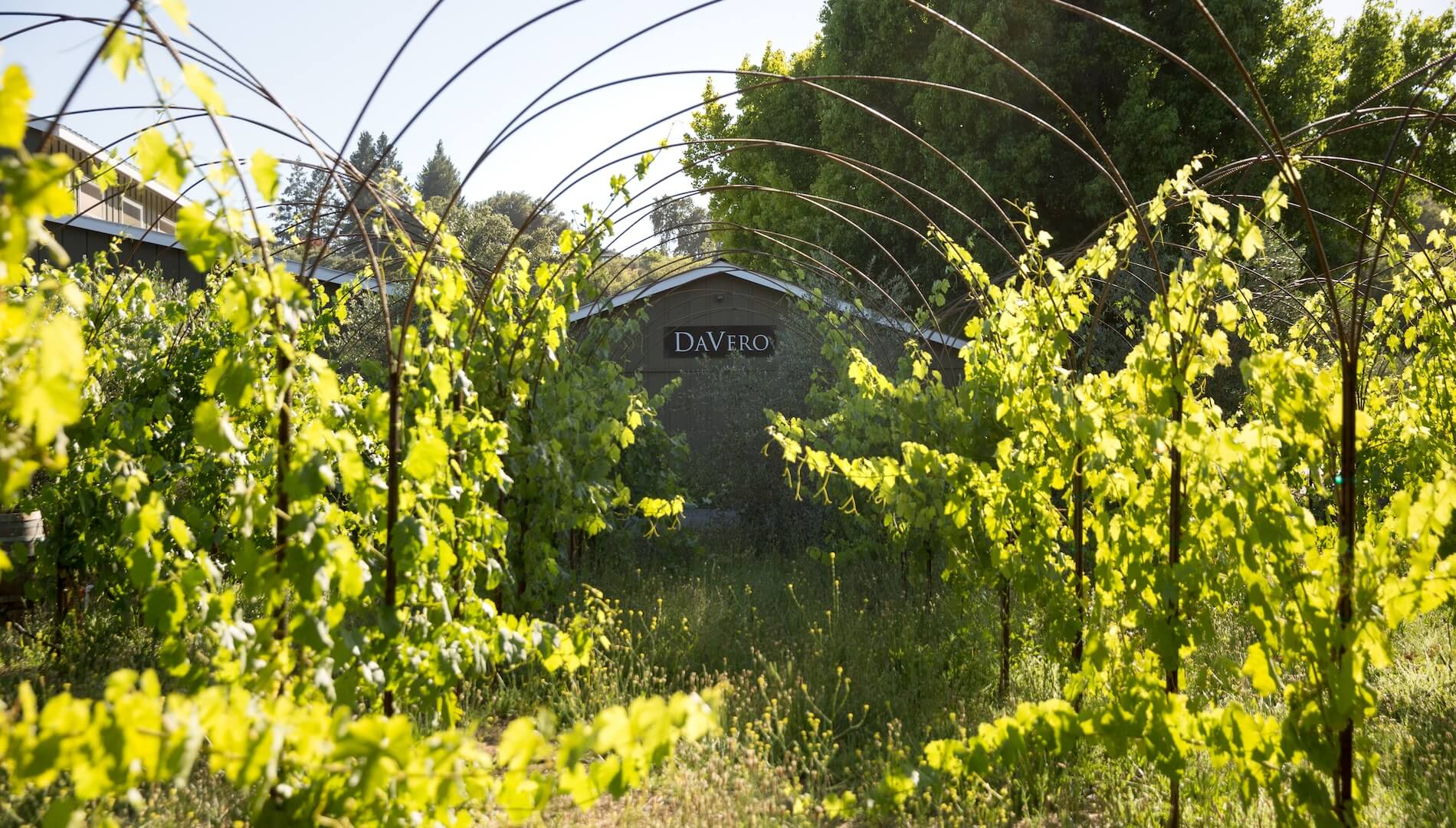
Walk through DaVero’s vineyards on a spring morning, and you’ll notice something different underfoot. The soil is dark, crumbly, and alive—teeming with earthworms, beneficial fungi, and microbial diversity. At DaVero Farms & Winery, great wine doesn’t begin in the cellar or even on the vine. It begins underground, where biodynamic wine farming transforms what others call “waste” into the fertility that powers our Italian varietals.
What Is Biodynamic Wine Farming—and Why Compost Matters
Biodynamic wine farming is more than an agricultural method—it’s a philosophy. Developed by Austrian philosopher Rudolf Steiner in the 1920s, biodynamics views the farm as a living organism, self-sustaining and interconnected. Every element—from the vines and soil for grape vines to the animals, gardens, and compost piles—plays a role in creating balance and vitality.
At DaVero, we began our biodynamic conversion in 2008 and earned Demeter certification in 2010, the gold standard for biodynamic agriculture worldwide. This rigorous designation confirms that every step of our vineyard and farming practices upholds the highest standards of ecological stewardship, soil restoration farming, and sustainability.
Why does this matter for wine? Because healthy soil creates resilient vines, and resilient vines produce grapes that authentically express our Dry Creek Valley terroir. When the soil is alive with beneficial microorganisms, our Italian varietals—Sangiovese, Barbera, Vermentino—develop the complexity and balance that define DaVero wines.
The Role of Compost in Closed-Loop Viticulture
Central to our biodynamic wine farming approach is closed-loop viticulture: everything grown on the farm returns to the land. Grape pomace from winemaking, olive leaves from our groves, plant trimmings—nothing is wasted. Instead, these materials are transformed through composting into nutrient-rich amendments that feed the soil.
Compost at DaVero is more than fertilizer. It’s a living microbial inoculant. When we apply finished compost to our vineyards, we’re introducing billions of beneficial bacteria and fungi that improve soil structure, enhance nutrient availability, and help vines naturally resist disease. This is the essence of sustainable vineyard practices—building soil health so that the land becomes more resilient over time.
Compost vs. Compost Tea: Two Tools, One Goal
While compost and compost tea both play critical roles in our soil health program, they work in different ways.
Compost is the solid, finished product—dark, crumbly material that results from the decomposition of organic matter over weeks or months. Think of it as a slow-release powerhouse. When we incorporate compost into the vineyard, it improves soil structure, increases water retention, and provides a steady supply of nutrients as microbes continue breaking it down. It’s the best organic fertilizer for grapes when you want long-term soil building.
Compost tea, on the other hand, is a liquid extract made by steeping finished compost in aerated water. This process multiplies the beneficial microorganisms, creating a living brew that can be applied directly to vine leaves or drenched into the root zone. Compost tea delivers microbial benefits quickly—boosting plant immunity, enhancing nutrient uptake, and even suppressing foliar diseases. It’s the best organic fertilizer for grape vines when you need immediate, targeted support during critical growth stages.
Together, compost and compost tea form a comprehensive fertility program. Solid compost builds the foundation; compost tea provides the boost. Both are essential components of our biodynamic compost preparations approach, ensuring our vines receive what they need, when they need it, from sources grown right here on the farm.
Healthy Soil, Resilient Vines: Why Our Compost Fuels Quality and Sustainability
The connection between soil health and wine quality is direct. Healthy soil develops complex root systems that dive deep into our Dry Creek Valley terroir. These roots act as conduits, channeling the minerals, water, and microbial life that give our wines their distinctive character.
When soil is alive with beneficial organisms, it improves the expression of our Italian varietals:
- Native yeast populations: Diverse soil microbes contribute to the native yeasts on our grape skins, which we use for natural fermentation.
- Balanced vine nutrition: Vines access nutrients gradually through microbial activity, creating balanced canopies and evenly ripened fruit.
- Stress resilience: Vines grown in biologically active soil better handle drought, heat, and pest pressure.
Beyond wine quality, soil restoration farming through composting delivers environmental benefits. Our practices sequester carbon, improve water retention, and reduce dependence on external inputs. By closing the loop on our farm, we minimize tractor passes, fuel consumption, and carbon footprint.
At DaVero, sustainable vineyard practices extend beyond compost. We maintain biodiversity set-asides, integrate animals into our ecosystem, and time vineyard activities according to lunar rhythms. Our farm is a living organism where olives, vegetables, flowers, pigs, and grapevines all contribute to a resilient whole.
From Ground to Glass: The DaVero Difference
Every glass of DaVero wine carries the story of our soil. When you taste the bright acidity in our Vermentino or the structured tannins in our Sangiovese, you’re experiencing the result of decades of patient biodynamic wine farming—of composting, making compost tea, and nurturing the microbial life that makes our vineyards thrive.
What makes DaVero’s compost truly unique? The answer lies in the diversity of materials we incorporate and the care we take in the composting process. In our next post, farm manager Andrew will take you behind the scenes to share the specific ingredients that go into DaVero’s signature compost blend—from estate-grown plants and farm animals to the seasonal rhythms that guide our work. You’ll discover why our approach to composting is as distinctive as the Italian varietals we grow.
Ready to see biodynamic wine farming in action? Visit us for a tour and tasting, where you can walk our vineyards, meet the animals that contribute to our compost, and taste wines that embody the vitality of living soil. Or reach out to our team with questions about our farming practices.
Because at DaVero, every bottle tells the story of healthy soil, thoughtful farming, and our commitment to the land that sustains us—one compost pile at a time.